Principles

How we judge a scent and a candle: five principles. If a product can't pass all five, it doesn't go into the range.

01

A scent should sit in the room, not fill it.

Strong enough to notice when you walk in, soft enough to forget after a minute. Then notice again.
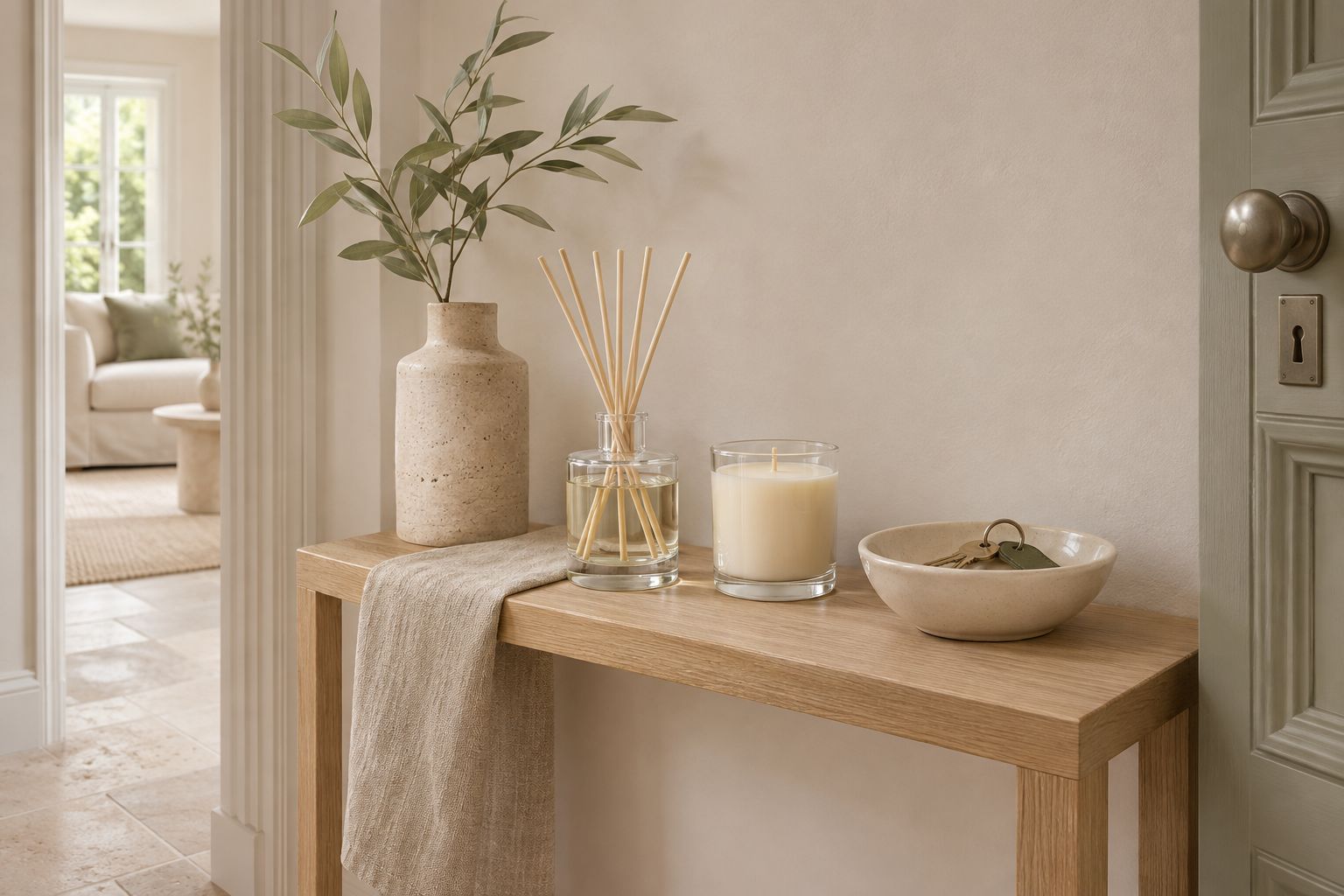
Photo: a Linen Line reed diffuser on a hallway console, pale walls, soft daylight from a doorway
Example: Linen Line, made to sit quietly in a hallway.
02

A candle should burn evenly to the end.

The wick is sized to the vessel, so the wax melts edge to edge and nothing is left on the walls.
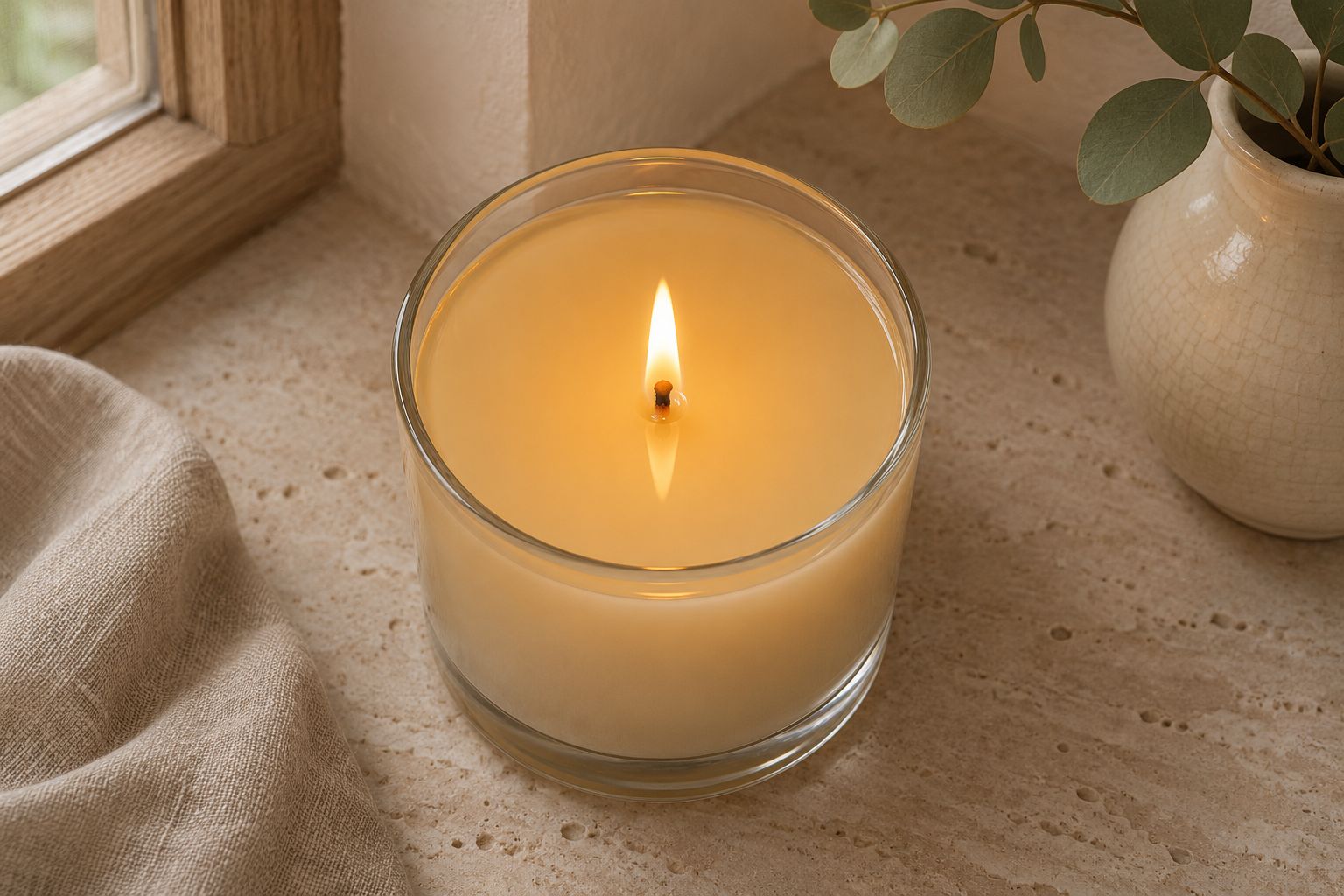
Photo: top-down view of a lit 220 g candle with a full, even melt pool reaching the glass edge
Example: the 220 g candle, about 45 hours, melted edge to edge.
03

The vessel outlasts the wax.

Glass and ceramic made to be kept. A refill goes into the vessel you already own, with nothing to throw away.
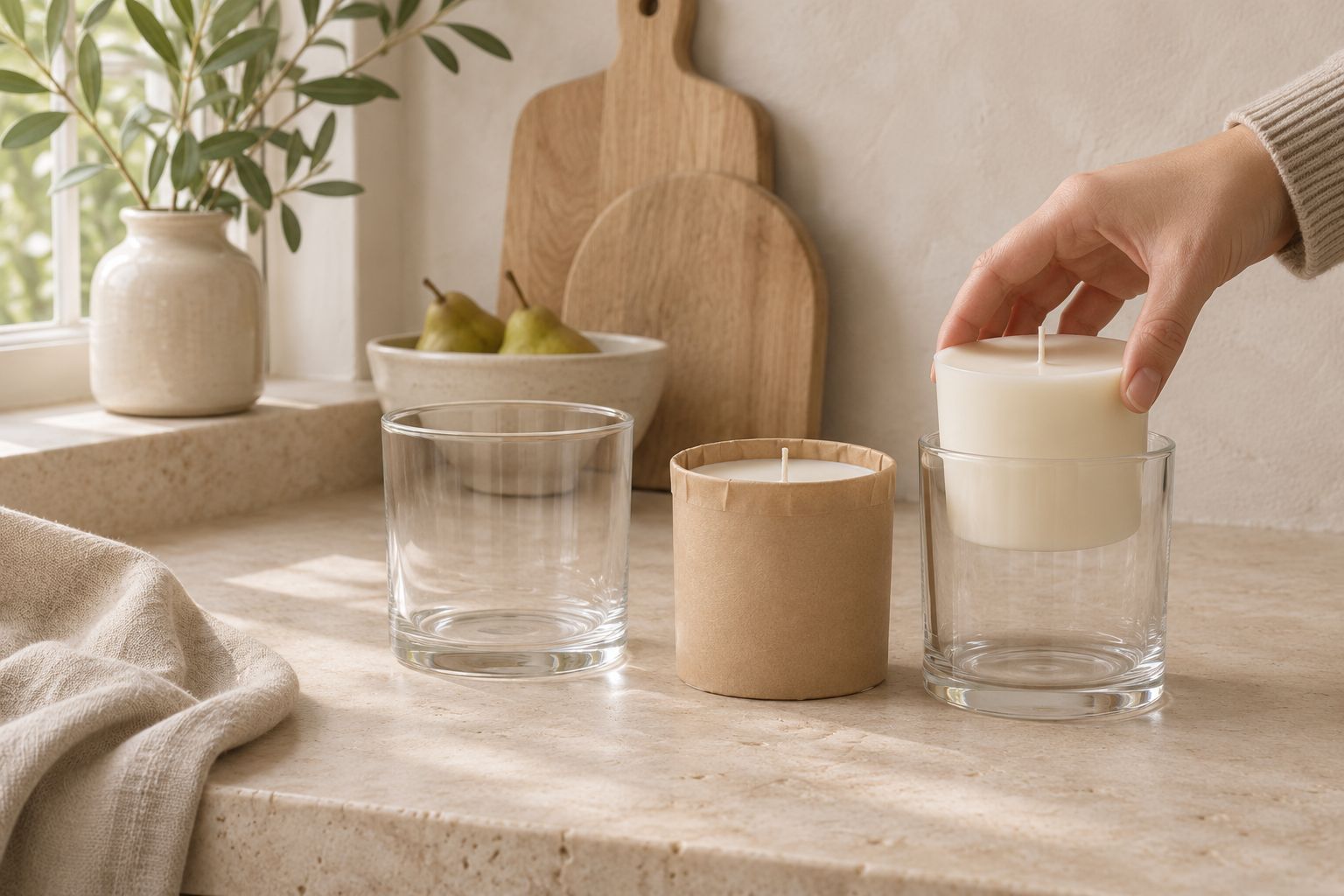
Photo: a used glass vessel, cleaned and empty, beside a new refill on a kitchen table
Example: refills for every size, from R-C120 to R-C400.
04

A name you can smell.

Each scent is named for what it smells like, so you can choose without a sample.
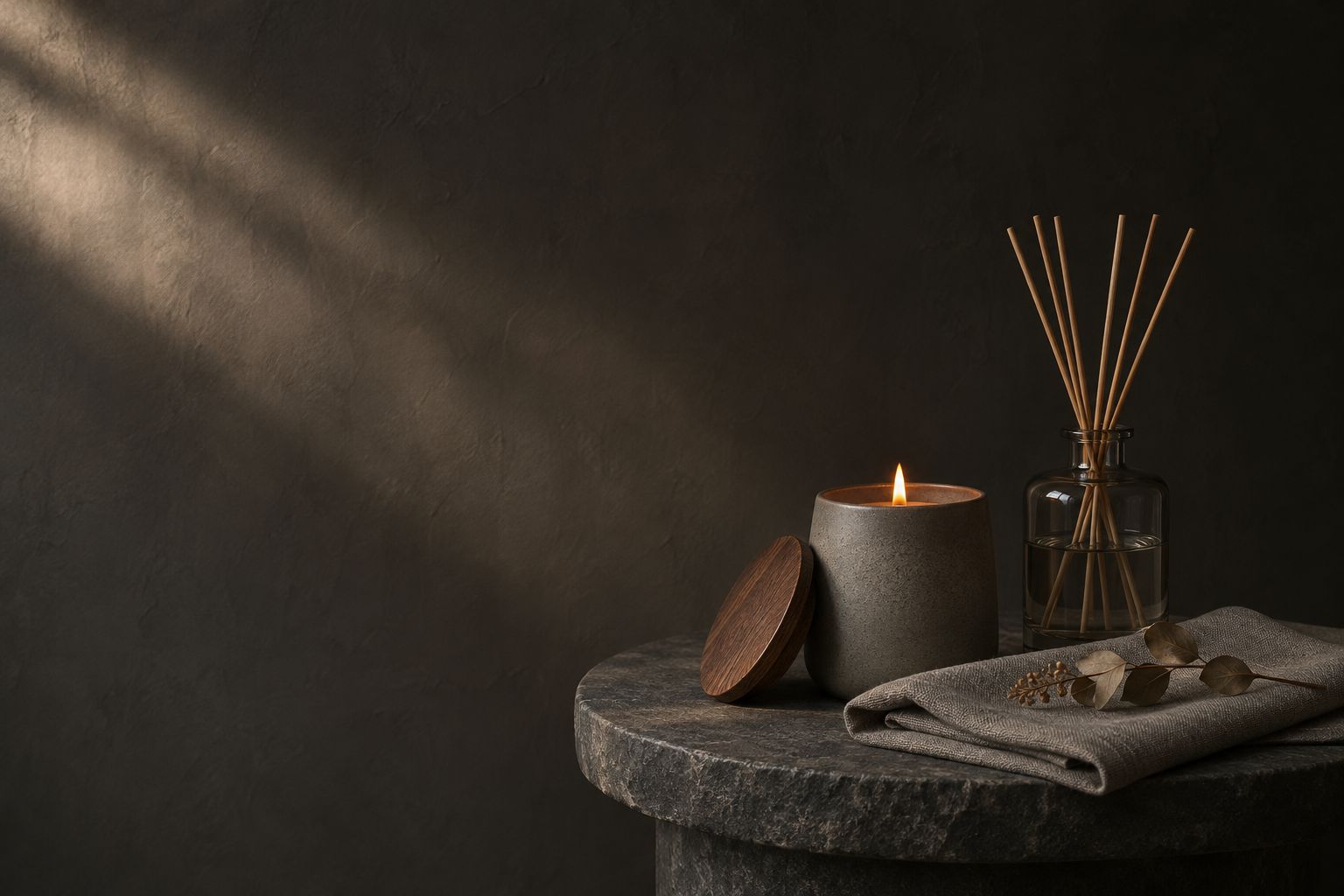
Photo: a Black Fig candle on a dark wooden table beside a halved fresh fig, warm evening light
Example: Cedar Room, Black Fig, Sea Fennel.
05

Sizes follow the room.

A small vessel for a small room, a large one for a large room. More scent is not better scent.
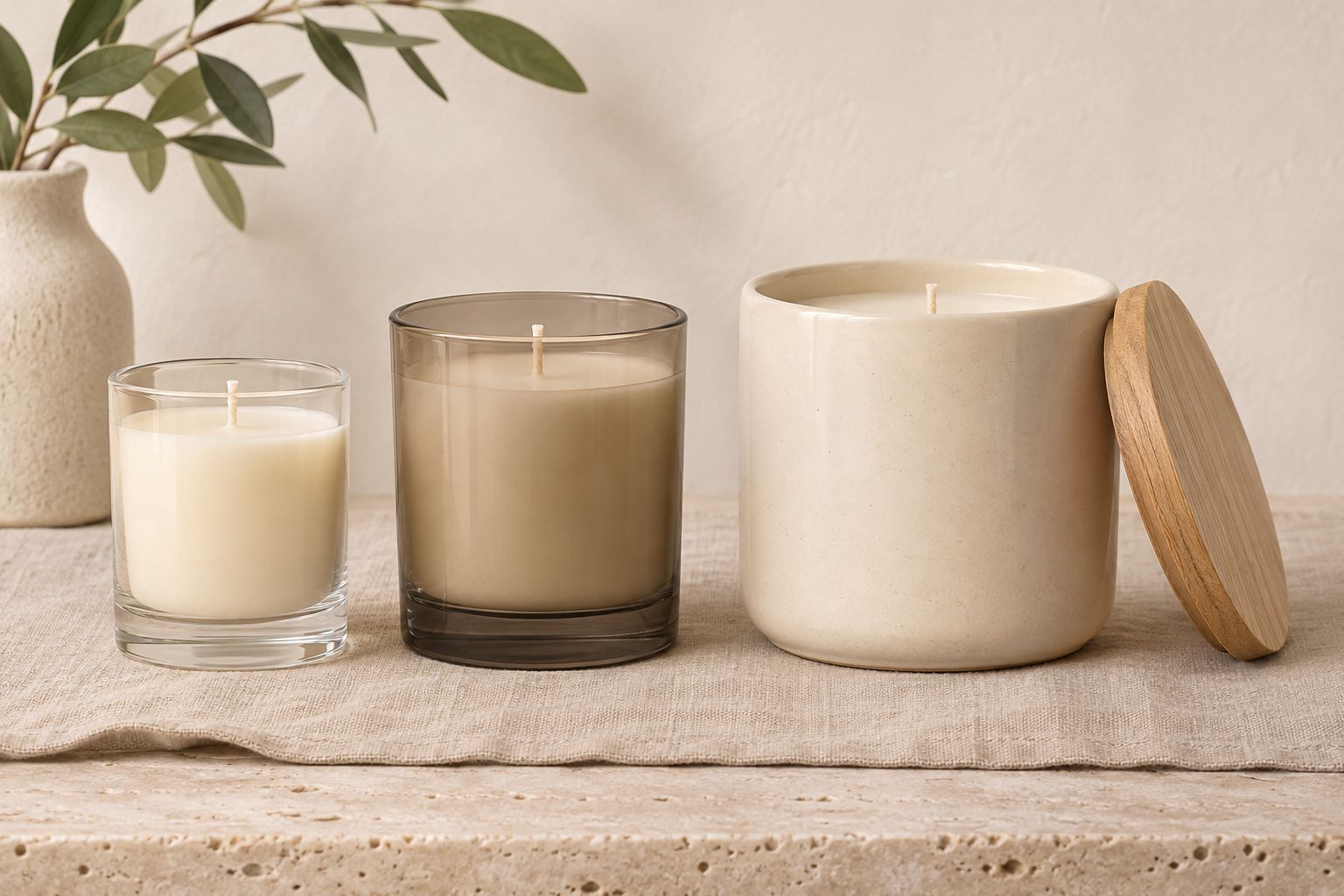
Photo: a 120 g, a 220 g and a 400 g candle side by side on a stone ledge, unlit, soft side light
Example: 120 g for a bathroom, 400 g for a living room.

Put it to the test.

Explore the candles →